Data Analytics in Digital Marketing

Posted on: 2025-12-06
By: Ranya Alvi
In an era where marketing success hinges on the ability to analyze and act on data, understanding the nuances of data analytics is crucial. This guide illuminates the path to transforming data into effective marketing strategies that resonate with your audience.
What You Will Learn
- Data analytics is essential for making informed marketing decisions that connect with target audiences.
- Understanding consumer behavior through data helps tailor campaigns to meet specific needs and preferences.
- Continuous analysis of campaign metrics allows for real-time adjustments, optimizing strategy for better results.
- Implementing a structured data-driven approach enhances campaign effectiveness and fosters deeper audience engagement.
Data Analytics in Digital Marketing: Key Insights & Actions
This visual summarizes the critical aspects of data analytics in digital marketing, highlighting its importance, impact on campaign performance, and actionable steps for marketers.
Defining Data Analytics & Its Importance
- Systematic computational analysis of data.
- Crucial for strategic decision-making.
- Helps identify inefficiencies and trends.
- Drives growth and provides a competitive edge.
Connecting to Campaign Performance
- Evaluates which strategies yield best results.
- Analyzes metrics like CTR, impressions, conversions.
- Enables real-time campaign adjustments.
- Optimizes resources and ROI.
Data-Driven Campaign Checklist
- Define clear campaign goals & KPIs.
- Utilize analytics tools.
- Segment audience based on insights.
- Monitor and adjust strategies in real-time.
Resources for Learning & Adaptation
- Online courses (Google Analytics Academy, HubSpot).
- Follow industry leaders & join webinars.
- Utilize tools for marketing automation.
- Prioritize data quality and governance.
The Role of Data Analytics in Digital Marketing Campaigns: An Overview
In today's fast-paced digital landscape, understanding data analytics is crucial for crafting effective marketing campaigns. At Digital HeatWave, we recognize the power of data in shaping strategies that drive results. By leveraging analytics, businesses can transform raw data into actionable insights that enhance their marketing efforts and improve overall performance.
Data analytics encompasses various techniques that analyze intricate datasets to uncover trends and patterns. This process is not just about numbers; it’s about making informed decisions that resonate with your audience. With our experience since 2018, we’ve seen firsthand how data-driven strategies can empower businesses to thrive.
Understanding Data Analytics in the Context of Marketing
It's essential to grasp what data analytics truly means within marketing. At its core, data analytics involves collecting, processing, and analyzing data to extract valuable insights that inform marketing decisions. By using these insights, businesses can tailor their campaigns to meet specific consumer needs and preferences.
- Defining Data Analytics: This refers to the systematic computational analysis of data, crucial for making strategic decisions.
- Importance: It helps businesses understand market trends, optimize campaigns, and improve customer engagement.
- Consumer Insights: By analyzing data, companies can understand consumer behavior better, leading to more targeted marketing efforts.
Connecting data analytics to campaign performance is vital. When we analyze metrics like conversion rates and user engagement, we can adjust strategies to enhance customer satisfaction and campaign success.
Defining Data Analytics and Its Importance
Defining data analytics is simple: it's the science of examining raw data to make conclusions about that information. The importance of this process cannot be overstated! It helps businesses identify inefficiencies, recognize trends, and ultimately drive growth. Without data analytics, marketers are essentially navigating in the dark.
At Digital HeatWave, we believe that implementing robust data analytics not only fosters better decision-making but also equips businesses to stay ahead of the competition.
Connecting Data Analytics to Campaign Performance
Data analytics acts as a bridge connecting marketing strategies to actual campaign performance. By continuously evaluating campaign data, businesses can determine which strategies yield the best results. For instance, analyzing click-through rates helps identify effective messaging and platforms where your audience engages most.
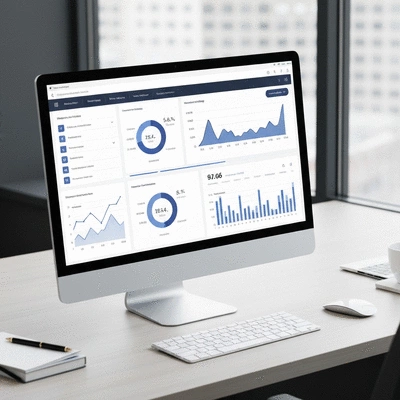
- Track Campaign Metrics: Focus on metrics like impressions, clicks, and conversions.
- Adjust Strategies: Use insights to adapt campaigns in real-time, enhancing their effectiveness.
- Evaluate Success: Regularly assess what works and what doesn’t to refine future strategies.
This approach not only optimizes resources but ensures marketing efforts resonate with target demographics, driving stronger returns on investment.
Exploring Consumer Behavior Through Data Analytics
Understanding consumer behavior is at the heart of effective marketing. Data analytics allows businesses to delve deep into consumer preferences, habits, and pain points. By examining purchasing patterns and engagement metrics, we can discern what motivates customers to act.
At Digital HeatWave, we employ these insights to craft marketing strategies that speak directly to consumer needs. For example, if data reveals a trend in product searches during certain times, we can tailor our campaigns to reach audiences when they are most likely to engage.
Pro Tip
Did you know? Incorporating predictive analytics into your marketing strategies can significantly enhance your campaign outcomes. By forecasting future trends based on historical data, you can tailor your campaigns to not only meet current consumer needs but also anticipate future demands. This proactive approach can set your brand apart and foster deeper customer loyalty.
Key Takeaways and Next Steps for Marketers
As we navigate the ever-evolving landscape of digital marketing, embracing a data-driven approach is no longer optional; it’s essential for success. At Digital HeatWave, we’ve witnessed firsthand how integrating data analytics into marketing campaigns can yield impressive results. To help you get started, let’s explore some practical steps that you can implement in your next campaign!
Implementing a Data-Driven Approach in Your Campaigns
To truly harness the power of data in your marketing efforts, a well-structured strategy is crucial. Start with the following checklist to ensure your next campaign is data-driven:
- Define your campaign goals and objectives clearly.
- Identify the key performance indicators (KPIs) that align with these goals.
- Utilize analytics tools to gather and analyze relevant data.
- Segment your audience based on insights derived from data.
- Continuously monitor and adjust your strategies based on real-time feedback.
By following this checklist, you can create campaigns that are not only informed by data but also flexible enough to adapt to changing circumstances. We believe this is one of the best ways to drive meaningful results and foster deeper connections with your audience!
Checklist for Making Your Next Campaign Data-Driven
- Conduct thorough market research to understand your audience.
- Leverage tools like Google Analytics for insights on website performance.
- Engage in A/B testing to determine what resonates best with your audience.
- Utilize customer feedback to refine your messaging and offerings.
- Review campaign performance regularly and adjust strategies accordingly.
With each of these steps, you're setting the stage for a more effective and responsive marketing strategy!
Utilizing Marketing Automation for Efficiency
Marketing automation can be a game-changer for your campaigns. It streamlines processes, allowing you to focus on strategic decision-making. By automating tasks like email marketing, social media posting, and analytics reporting, you can save time and ensure consistency across your campaigns. At Digital HeatWave, we've seen how automation not only boosts productivity but also enhances campaign effectiveness by allowing you to engage with your audience in a timely manner. So, are you ready to embrace automation?
FAQ
Here are some frequently asked questions about data analytics in digital marketing:
- What is data analytics in digital marketing?
- Data analytics in digital marketing involves collecting, processing, and analyzing data from various sources to gain insights into campaign performance, consumer behavior, and market trends. These insights are then used to make informed marketing decisions and optimize strategies.
- Why is data analytics important for marketing campaigns?
- Data analytics is crucial because it enables marketers to understand what works and what doesn't. It helps in identifying inefficiencies, recognizing trends, tailoring campaigns to specific consumer needs, optimizing resource allocation, and ultimately driving growth and a competitive edge.
- How does data analytics connect to campaign performance?
- Data analytics directly connects to campaign performance by evaluating metrics such as click-through rates (CTR), impressions, and conversions. This analysis allows for real-time adjustments to campaigns, ensuring they are more effective and resonate better with the target audience, thereby optimizing ROI.
- What are some key steps for a data-driven campaign?
- Key steps include defining clear campaign goals and KPIs, utilizing analytics tools (e.g., Google Analytics), segmenting audiences based on insights, and continuously monitoring and adjusting strategies in real-time based on feedback and performance data.
- What is the role of marketing automation in data-driven campaigns?
- Marketing automation streamlines repetitive tasks like email marketing, social media posting, and analytics reporting. This frees up marketers to focus on strategic decision-making, boosts productivity, ensures consistency across campaigns, and enhances effectiveness by facilitating timely engagement with the audience.
Encouraging Continuous Learning and Adaptation
As the marketing landscape shifts rapidly, staying informed is vital. Adopting a mindset of continuous learning will keep you ahead of the curve. We at Digital HeatWave believe that ongoing education is key to mastering data analytics and its applications in marketing.
Staying Ahead of the Curve with Emerging Analytics Trends
To ensure you’re well-equipped to adapt to new trends, consider the following resources:

- Enroll in online courses focused on data analytics and marketing strategies.
- Follow industry leaders on platforms like LinkedIn and Twitter for insights.
- Join webinars and workshops to learn about the latest tools and techniques.
- Participate in online forums and groups to exchange knowledge with peers.
By actively engaging with these resources, you can enhance your skills and stay informed about best practices in data analytics.
Resources and Tools for Ongoing Education in Data Analytics
Here are some valuable resources to kickstart your learning journey:
- Google’s Analytics Academy – Free courses on analytics tools and strategies.
- HubSpot Academy – Comprehensive courses on digital marketing and analytics.
- Coursera – Offers specialized programs in data analysis and marketing.
- YouTube Channels like Neil Patel and Moz for tips and tutorials.
These platforms provide excellent opportunities to deepen your understanding of data analytics, preparing you to implement cutting-edge strategies in your marketing efforts.
Understanding the Importance of Data Governance in Marketing
Data governance is pivotal in ensuring the integrity and security of your data. As marketers, we must prioritize data quality to derive reliable insights. Establishing clear policies and practices around data management will not only enhance your campaigns but also build trust with your audience. Make it a priority to regularly review your data governance practices to ensure compliance and security!
Recap of Key Points
Here is a quick recap of the important points discussed in the article:
- Data analytics is essential for crafting effective digital marketing campaigns.
- Understanding consumer behavior through data leads to more targeted marketing efforts.
- Continuous evaluation of campaign metrics allows for real-time strategy adjustments.
- Establish clear campaign goals and KPIs to guide your data-driven approach.
- Utilize tools like Google Analytics to gather insights and enhance campaign performance.
- Embrace marketing automation to improve efficiency and consistency in campaigns.
- Engage in continuous learning to stay updated on emerging analytics trends.
 What if your next marketing strategy was inspired by someone else's success? Real-world case studies
 As the digital marketing landscape shifts, understanding upcoming trends is vital for staying ahead.
 In a world where digital marketing is constantly evolving, the integration of online and offline str